Anxiety Attack: Spot the Signs and Stop It Fast
Your heart rate spikes out of nowhere. Your chest tightens like a vice. Shortness of breath sets in. These moments hit hard, especially in busy city life or high-pressure jobs.
An anxiety attack or panic attack strikes suddenly. While they feel similar, a panic attack is often more intense and sudden. Either one overwhelms with fear and physical symptoms. You might worry it signals something worse. Yet simple steps can bring relief. Understanding signs and tools helps you regain control.
Key Takeaways
- Anxiety and panic attacks strike suddenly with intense physical signs like pounding heart, shortness of breath, chest tightness, dizziness, and mental fear of doom—often mistaken for heart issues.
- Stop one fast with deep breathing (4-2-6 count), 5-4-3-2-1 grounding, or cold water/ice to shift your nervous system and pull focus to the present.
- Triggers include stress buildup, caffeine, poor sleep, genetics, and urban hustle; track patterns and cut screen time to prevent repeats.
- Build habits like daily breathwork and use apps like Pausa for guided exercises, mood tracking, and screen limits to fight burnout before it peaks.
- Seek professional help for frequent attacks—therapy, meds, or Pausa's stress quiz offer lasting calm.
Common Signs of an Anxiety Attack
You feel it build fast. Physical symptoms grip first. Jaw clenches. Shoulders rise. Neck stiffens. Chest pain strikes.
Heart pounds wildly. Breathing quickens into shallow pants. Sweating starts, even in cool rooms. Nausea may hit. Hands tingle or shake. Dizziness spins the world.
These physical sensations are so severe that many people mistake them for a heart attack.
Mind races too. Overthinking floods in. Intense fear of losing control takes over. Some sense impending doom or detachment from reality. These peak in minutes, then fade.
For details on symptoms, check the Mayo Clinic's overview of anxiety disorders. The Cleveland Clinic describes panic attacks much like this.
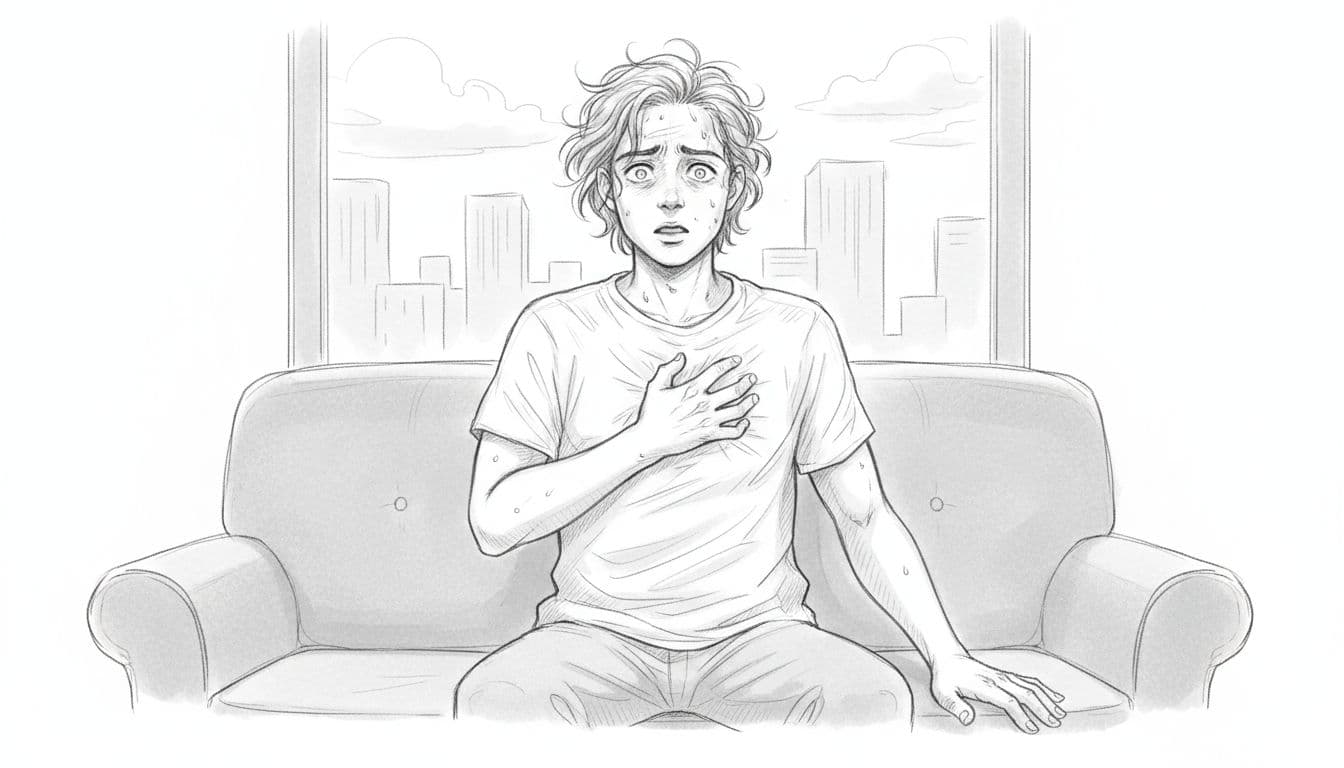
Urban stress amps these up. Long hours fuel burnout. Constant notifications spike overthinking. Young professionals know this drill.
What Triggers an Anxiety Attack
Stress piles on quietly, releasing stress chemicals that activate the body's fight-flight-freeze response. Work deadlines mount. Traffic jams trap you. Caffeine surges through veins.
Past panic leaves scars. One attack makes you brace for more. Avoidance of crowds or confined spaces often reinforces the cycle, yet those fears ignite anyway.
Genetics play a role. Family history raises odds. Recurring attacks may signal panic disorder, generalized anxiety disorder, or social anxiety disorder. Yet lifestyle tips the scale. Poor sleep worsens everything. Screen time drags you deeper into worry loops.
Health.com covers common causes. Triggers vary, but they share roots in overload.
Daily hustle feeds this cycle. Phones buzz nonstop. Minds never rest. Result? Sudden anxiety attacks ambush you.
How to Stop an Anxiety Attack Right Now
Start with deep breathing, the primary method for relief. Sit or stand tall. Inhale slowly through your nose for four counts. Hold for two. Exhale through your mouth for six. Repeat.
This shifts your nervous system. Your body calms as oxygen flows evenly. Focus stays on your breath, not fear.
Next, use this grounding technique. Name five things you see. Four you can touch. Three you hear. Two you smell. One you taste.
Cool water helps too. Splash your face or hold ice. The sensation pulls you present.
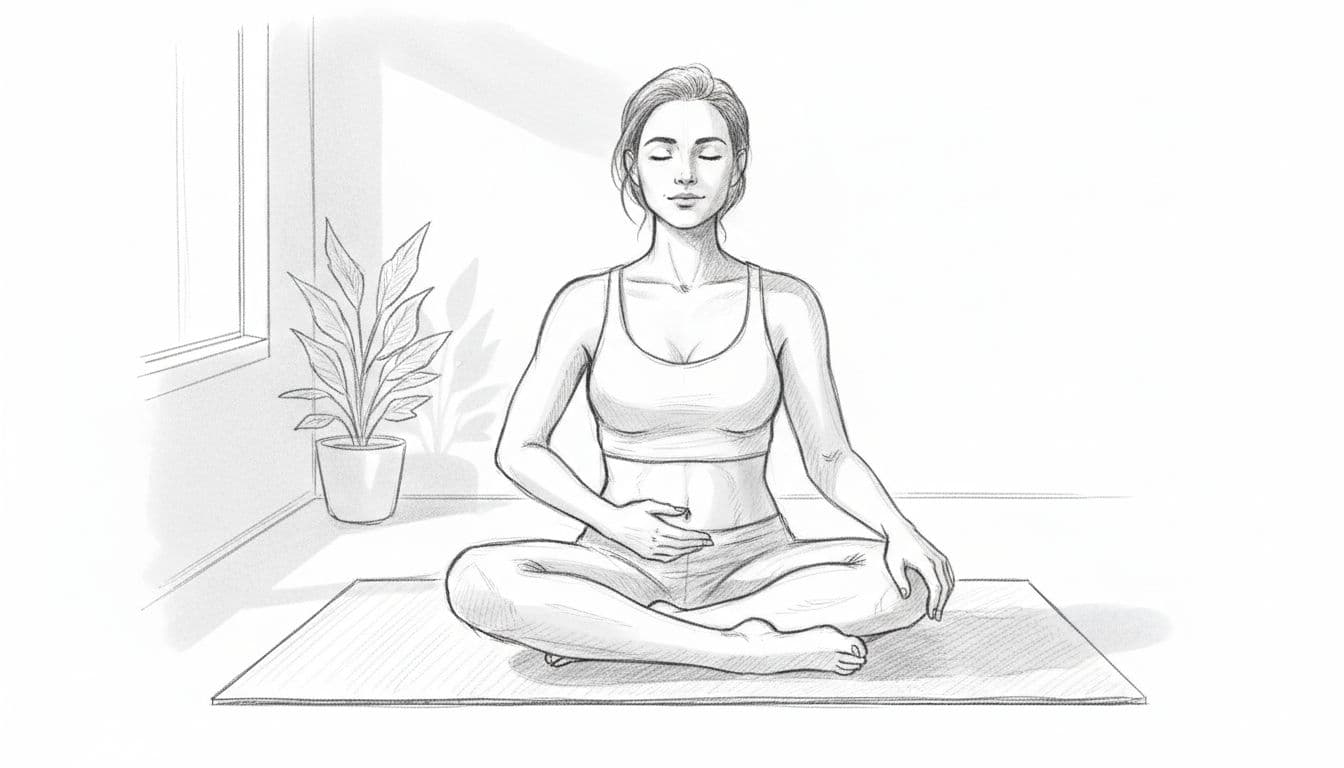
These are effective coping strategies for immediate relief. Apps guide the process. Pausa offers breathing exercises like box breathing or resonant patterns. Tell it your mood. It suggests the right one. No meditation needed. Just breathe for calm.
Verywell Health lists breathing techniques. They work fast.
Download the Pausa App today. It provides companionship during stress. Reduce anxiety and find peace in minutes. Available on iOS and Android.
Build Habits to Prevent Anxiety Attacks
Daily pauses prevent buildup. Start small. Five minutes of morning breathwork or progressive muscle relaxation sets the tone and releases physical tension.
Track moods. Note triggers like overthinking or fatigue. Adjust as patterns show.
Cut screen time. Apps to limit screen time like Pausa lock social feeds. Breathe first to unlock. This breaks addiction cycles.
Pausa's 10-day journey builds skills. Mindfulness without pressure. Streaks track progress. Better sleep, focus, and relaxation follow.
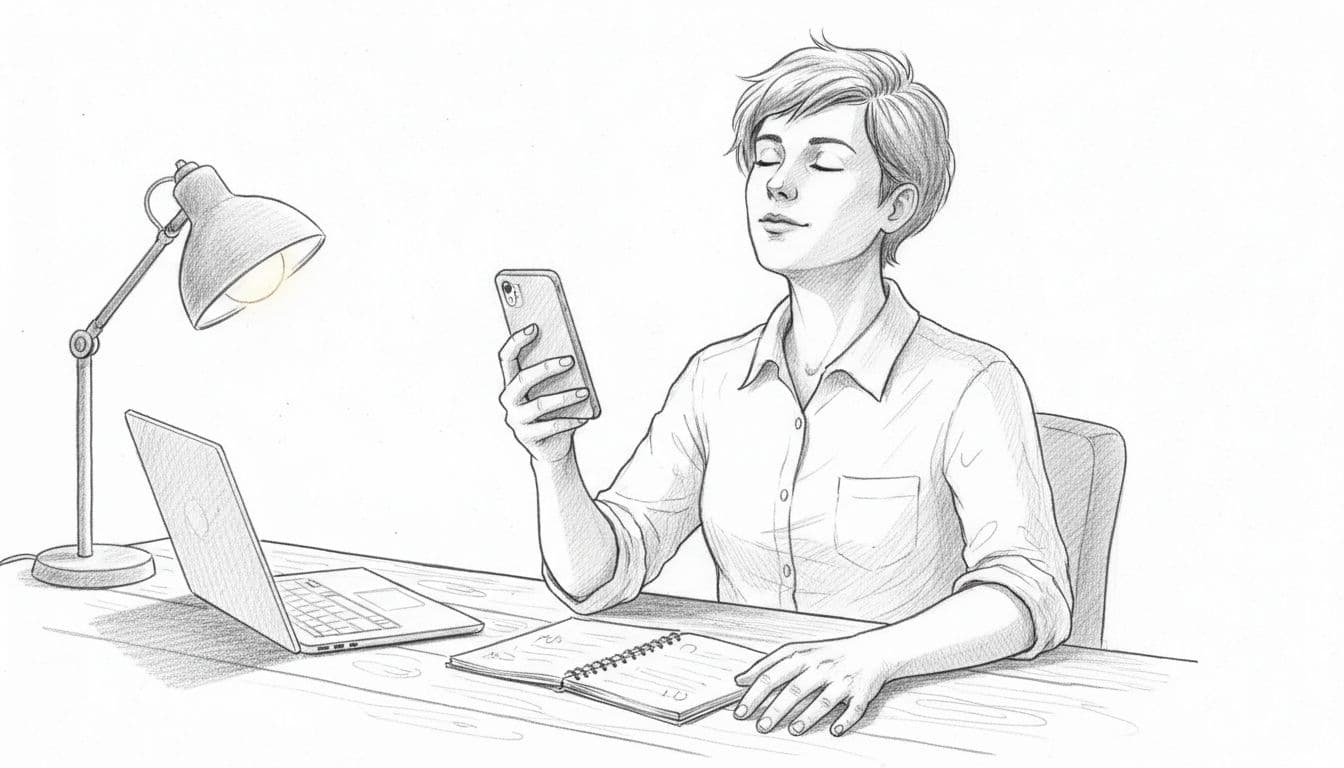
New apps like this fit busy lives. They promote wellness through science-backed tools. Consistent use prevents a temporary high-stress period from developing into a long-term mental health disorder. Fight burnout before it peaks.
For teams, Check out Pausa for People. Companies use it for teams to boost emotional health. Workshops and reports help.
Frequently Asked Questions
What's the difference between an anxiety attack and a panic attack?
An anxiety attack builds gradually from ongoing worry, while a panic attack hits suddenly and intensely, peaking in minutes with overwhelming fear. Both share physical symptoms like rapid heart rate and shortness of breath. Understanding this helps you respond without added panic over mistaking it for something worse.
How can I stop an anxiety attack right now?
Use deep breathing: inhale for four counts through your nose, hold two, exhale six through your mouth. Pair it with grounding—name five things you see, four you touch, and so on. Splash cold water on your face or hold ice for quick nervous system reset.
What triggers anxiety attacks?
Stress from work deadlines, traffic, caffeine, or poor sleep activates fight-or-flight. Past attacks or genetics heighten risk, while constant notifications and screen time fuel overthinking cycles. Urban pros face this daily—spot your patterns to break the loop.
When should I seek professional help?
If attacks hit weekly or disrupt life, see a mental health pro for therapy like CBT or meds like SSRIs. Pausa's free stress quiz gives quick insights and personalized breathing tips to start. Act early to prevent escalation into disorders.
How does the Pausa app help with anxiety?
Pausa offers guided breathing like box patterns based on your mood, screen time limits, and a 10-day journey for habits. It tracks streaks for better sleep and focus without meditation pressure. Download for iOS/Android to turn stress into calm fast.
Know When to Get Extra Help
Attacks happen weekly? Daily life suffers? Consult a mental health professional.
Cognitive behavioral therapy and psychotherapy untangle roots as evidence-based treatments for managing anxiety. A doctor might discuss antidepressants like selective serotonin reuptake inhibitors (SSRIs) or, for short-term use, benzodiazepines to balance chemicals if needed. A quick quiz assesses levels.
Pausa's free stress quiz gives insights. Personalized breathing tips follow.
Urban pros ignore signs at cost. Act early for lasting calm.
Anxiety attacks feel endless in the moment. Yet breath brings quick relief. Habits like guided exercises prevent repeats.
Pausa turns chaos to clarity. Simple tools reduce stress. You deserve that space. Start breathing today.